Arizona Short-Term Rental Insurance
Short-term rental insurance in Arizona
A standard homeowners policy is written for a home you live in. Once you rent an Arizona home by the night or the week, whether it’s a Scottsdale condo, a cabin outside Flagstaff, or a house near the red rocks in Sedona, most homeowners policies either exclude that use or were never priced for it. A short-term rental policy is built for a home that hosts paying guests: it covers the building, the furnishings you leave for guests, your liability when a guest is hurt, and in many policies the booking income you lose after a covered loss.
Arizona adds one thing most states don’t: a law that lets cities require you to carry liability coverage.
Does Arizona require insurance for a short-term rental?
It can. Arizona’s vacation rental law (A.R.S. 9-500.39) lets cities and towns require a short-term rental to carry liability insurance of at least $500,000, or to be advertised and offered through a booking platform that provides equal or greater coverage. The same law lets them require:
- A local permit or license, with a fee capped at $250
- Emergency contact information for someone who responds to complaints in a timely manner
- Notice to your neighbors, with your permit number and emergency contact, before you first rent the home
Civil penalties for verified violations run from $500 to $3,500 per violation, and repeated or serious violations can cost you the permit.
Two practical points. First, check your own city or town’s ordinance, since cities decide whether to use these powers. Second, the platform option is a way to satisfy a city’s rule. It isn’t the same thing as your own policy. Platform host protection programs carry their own conditions and exclusions, and they don’t cover damage to your building from a storm or a burst pipe. This is a summary, not legal advice; for your specific situation, read the statute and your local ordinance, or talk to an attorney.
What does a short-term rental policy cover in Arizona?
Policies differ by carrier, but most are built around the same pieces:
- Dwelling: the structure, including the roof, walls, and built-in systems
- Contents: the furniture, linens, and kitchen gear you provide for guests
- Liability: injuries to guests and damage to others’ property, including defense costs
- Loss of rental income: where the policy includes it, the bookings you lose while a covered loss is being repaired
Ask how each policy handles damage caused by guests. Some treat it like any other covered loss, some limit it, and some exclude theft by guests.
Arizona risks to insure for
Arizona has no hurricanes, but it has its own list.
Monsoon season
Arizona’s monsoon runs from mid-June through September. It brings high winds, hail, dust storms, and flash floods. Wind and hail are usually covered perils on a rental policy, subject to your deductible. Flood is not.
Flash flooding
Standard property policies exclude flood, including in the desert. If your home sits near a wash or in a low spot, look at a separate flood policy before monsoon season. NFIP policies generally carry a 30-day waiting period, so don’t wait for the first storm warning. Our flood insurance page compares NFIP and private flood.
Freezing pipes up north
Flagstaff, Prescott, and the White Mountains get real winters. A home that sits empty between guests is exactly where a frozen pipe does the most damage before anyone notices. Keep the heat on, and ask whether your policy requires it.
Wildfire
Parts of northern and central Arizona carry wildfire exposure, and some carriers limit how much they’ll write in those areas. That makes carrier choice matter more there.
Pools and heat
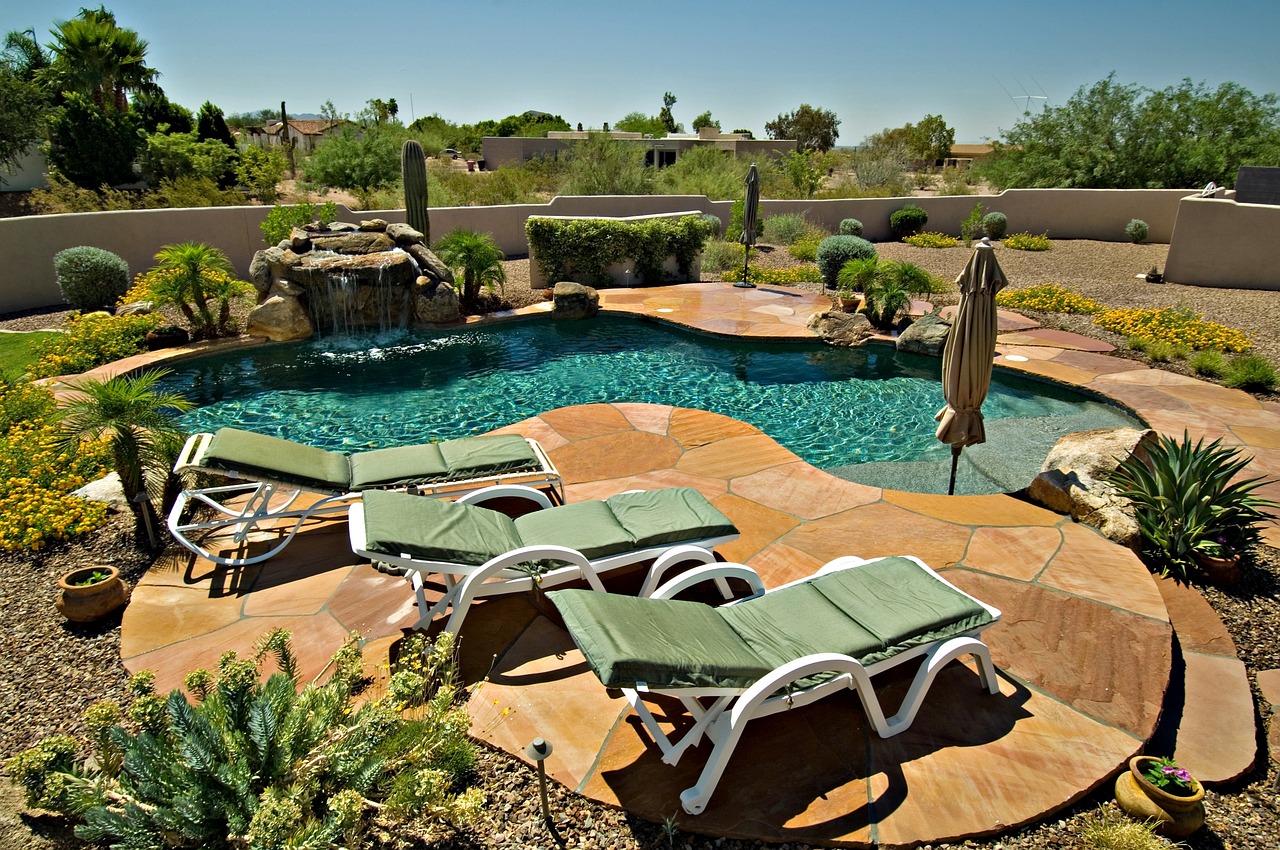
A pool is one of the most common features on an Arizona rental listing, and one of the most common sources of serious guest injuries. Fencing, gates, and clear pool rules help the underwriting and, more to the point, help keep guests safe.
Scottsdale, Sedona, and the rest of the state
Scottsdale and the Phoenix metro
If your Valley rental is a condo or townhome in an association, the association’s master policy covers part of the building, and your own policy covers the rest. Check the association’s rules on rentals, too. See our condo insurance page for how that split works.
Sedona and Verde Valley
Rental demand here is tied to tourism, and so is the local scrutiny. Get the city’s permit requirements sorted before your first booking.
Flagstaff and the high country
Four real seasons mean freeze risk in winter and fire risk in summer, in the same home. Insure for both.
How much does short-term rental insurance cost in Arizona?
It depends on the home’s age and construction, its roof, its location (including wildfire and flood exposure), whether it has a pool, the liability limit you choose, and how often it’s rented. A short-term rental policy usually costs more than a homeowners policy on the same house, because the risk is different. The honest way to get a number is to quote the specific home.
Should I add an umbrella policy?
If your city requires $500,000 of liability, that’s a floor, not a recommendation. A serious pool accident or a fall can exceed it. An umbrella policy adds $1 million or more above your underlying liability, and if you own more than one rental, one umbrella can sit over all of them. Our short-term rental insurance page covers umbrellas and portfolio structure in more detail.
Arizona short-term rental insurance FAQ
Does Airbnb’s AirCover replace short-term rental insurance in Arizona?
No. It may help satisfy a city’s liability requirement if the platform’s coverage meets the statute’s test, but it isn’t a property policy for your home, and it comes with its own terms. Most owners carry their own short-term rental policy either way.
Do I need flood insurance for an Arizona rental?
Not usually by law, and not usually by your lender outside a mapped flood zone. But flash floods are a real Arizona risk, and standard policies exclude flood, so look at the home’s location before you decide.
Can I insure an Arizona rental owned by an LLC?
Yes. Many carriers write short-term rentals owned by LLCs. Make sure the LLC is the named insured and matches the deed.
Why use Fudge for Arizona short-term rental insurance?
Fudge Insurance is an independent agency with a deep specialty in short-term and vacation rental insurance. We’ve been in business since 2006, we’re licensed in all 50 states, and we shop your Arizona home across multiple carriers rather than selling one company’s product.
Buying in Arizona, or already renting a home there on a homeowners policy? Ask us to look at your coverage before your next booking.
Request a quote today!
We would be happy to quote your Arizona short-term rental insurance needs.