
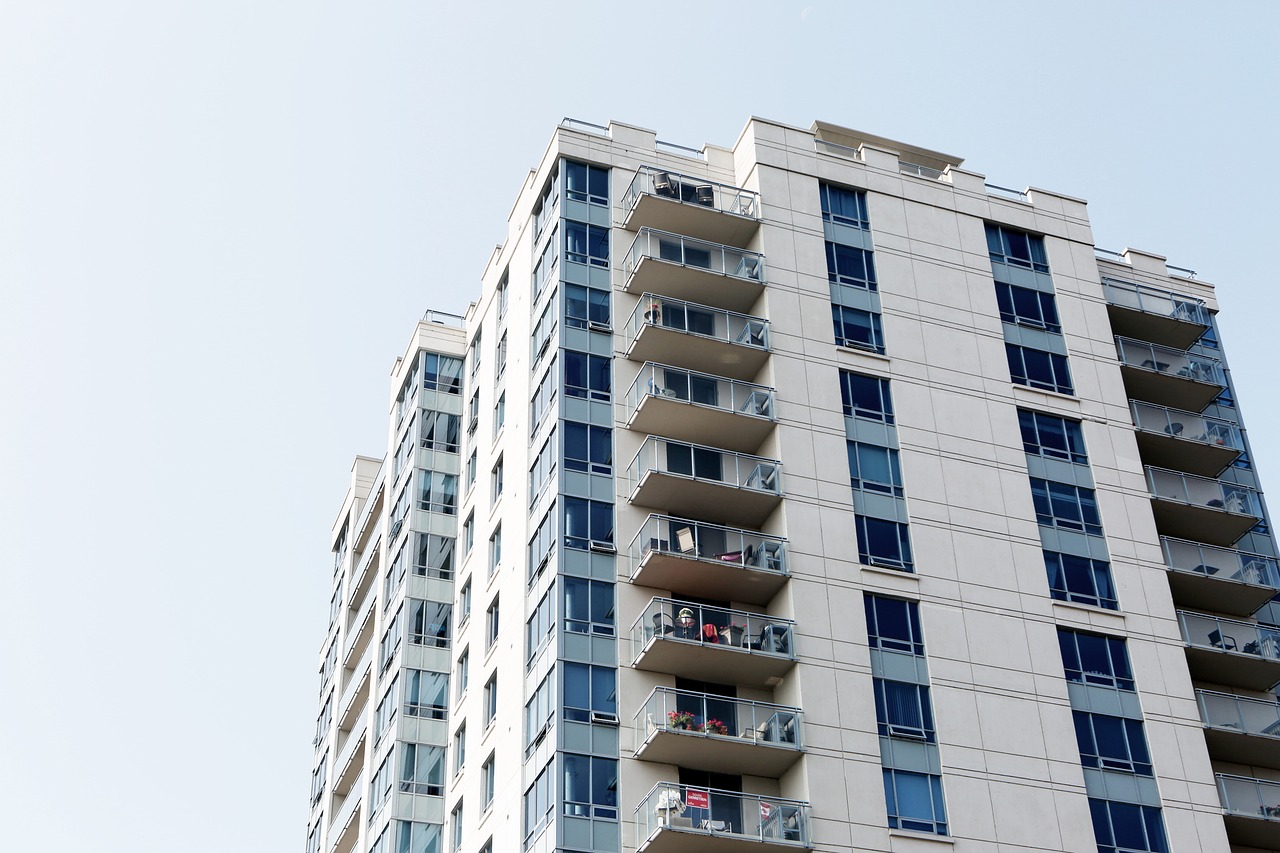
Condo Insurance
Condo insurance basics
Insuring a condo takes two policies, and you only buy one of them. The association carries a master policy on the building. You carry a unit-owner policy, usually called an HO-6, for everything the master policy leaves to you. Getting condo insurance right mostly comes down to knowing where that line sits in your building.
What does an HO-6 policy cover?
An HO-6 typically covers:
- Your unit’s interior (Coverage A): the parts of the unit the association’s policy doesn’t, such as flooring, cabinets, fixtures, and any improvements you’ve made.
- Your belongings (Coverage C): furniture, clothes, electronics.
- Loss of use (Coverage D): extra living costs if a covered loss forces you out while repairs happen.
- Personal liability: if someone is hurt in your unit, or damage that starts in your unit spreads to someone else’s.
- Loss assessment: your share of an association assessment after a covered loss to shared property. More on this one below, because it’s the coverage condo owners most often underbuy.
What does the condo association’s master policy cover?
The master policy covers the building’s structure and the common areas: roof, exterior walls, hallways, lobbies, pools, and in most buildings the unit framing too. How far into your unit it reaches depends on the association’s documents.
Florida sets part of that line in law. The association’s policy must exclude certain items inside the unit: floor, wall, and ceiling coverings, electrical fixtures, appliances, water heaters and water filters, built-in cabinets and countertops, and window treatments, along with your personal property (Florida Statute 718.111(11)). Those land on the owner’s side. If you’ve remodeled a kitchen or put in new flooring, your HO-6 limit needs to reflect that.
Before you set your limits, ask the association or its manager for the master policy’s declarations page and the section of the condo documents that says who insures what.
Why a burst pipe is a liability problem, not just a repair bill
It happened to one of our clients. A pipe burst in their sixth-floor unit, and the water didn’t stop at their floor. It damaged the units below. Repair costs for the other owners can spiral, and they can come with more than one lawsuit.
That’s the part of condo living a single-family owner never thinks about: your leak is your neighbors’ loss. The personal liability on your HO-6 is what responds, and in a tall building that limit gets tested fast. An umbrella policy on top of it is inexpensive for what it adds.
What is loss assessment coverage, and how much do I need?
When the building suffers a covered loss, the master policy pays, but only after its deductible. In Florida, the master policy’s hurricane deductible is often a percentage of the building’s insured value, which can mean a very large number. The association can split that deductible, or any shortfall, among the owners as a special assessment.
Loss assessment coverage on your HO-6 can pay your share when the assessment comes from a covered loss. Florida law requires every unit-owner policy to include at least $2,000 of it (Florida Statute 627.714), and many policies let you buy more. Given the size of master-policy hurricane deductibles, $2,000 often isn’t enough.
Timing matters here. The limit that applies is the one in effect the day before the loss. Raising it once a storm is in the forecast won’t help with that storm, so set it now. Ask your association what its deductible is, do the math on your share, and set your limit from there.
One important boundary: loss assessment coverage is for assessments caused by a covered loss. It generally doesn’t pay assessments for maintenance, repairs the association deferred, or reserve funding.
Florida condo assessments after the 2022 safety law
As of 2026, many Florida associations are paying for structural inspections, repairs, and reserves that Florida’s 2022 condo safety law, passed after the Surfside collapse, now requires. Some are covering the cost with large special assessments. Those assessments are generally not an insured loss. If you’re buying a condo, ask to see the building’s most recent structural inspection and reserve study before you close. It affects your budget more than your insurance does.
Do I need flood insurance for a condo?
The association may carry a flood policy on the building. That policy generally doesn’t cover your belongings, and its limits may not cover a full loss, which can come back to you as an assessment. A separate unit-owner flood policy can cover your contents and interior improvements. Ground-floor units feel this most, but assessments reach every floor. See our flood insurance page for how NFIP and private flood compare.
Can I rent out my condo on an HO-6?
A standard HO-6 is written for a unit you live in. If you rent it to a long-term tenant, you’ll typically need a policy or endorsement written for rental use. If you rent it by the night or week, you need short-term rental coverage, and you need to check the association’s rules first, since many Florida associations restrict or ban short-term rentals. See our pages on long-term rental insurance and short-term rental insurance.
If the building runs its own hotel-style rental program, that’s a condotel, and it has its own insurance questions. See condotel insurance.
Condo insurance FAQ
Is condo insurance required in Florida?
If you have a mortgage, your lender will require it, and many associations’ documents require unit owners to carry their own policy. Even without either, the association’s policy leaves your interior and your belongings to you.
Does HO-6 insurance cover hurricane damage?
Many HO-6 policies in Florida cover wind and hurricane damage to the unit’s interior and your belongings, subject to a separate hurricane deductible. Some policies exclude wind, and flood is excluded from standard HO-6 policies. Check both.
What does “walls-in” coverage mean?
It’s shorthand for the parts of the unit that are yours to insure, typically everything from the drywall or finished surfaces inward. Your condo documents decide exactly where the association’s coverage stops, so “walls-in” can mean different things in different buildings.
Why use Fudge for condo insurance?
Fudge Insurance is an independent Florida agency, so we compare HO-6 options across multiple carriers. We can read your association’s master policy with you and help set limits that fit your building.
Not sure where your association’s coverage stops and yours starts? Send us the master policy’s declarations page and we’ll go through it with you.
Request a quote today!
We would be happy to quote your condo insurance needs.